This content was produced with the help of AI and reviewed by STN editors before being published.
If you have been living with depression that hasn't fully responded to medication, you may have heard the term TMS therapy. But what exactly is it, and is it right for you?
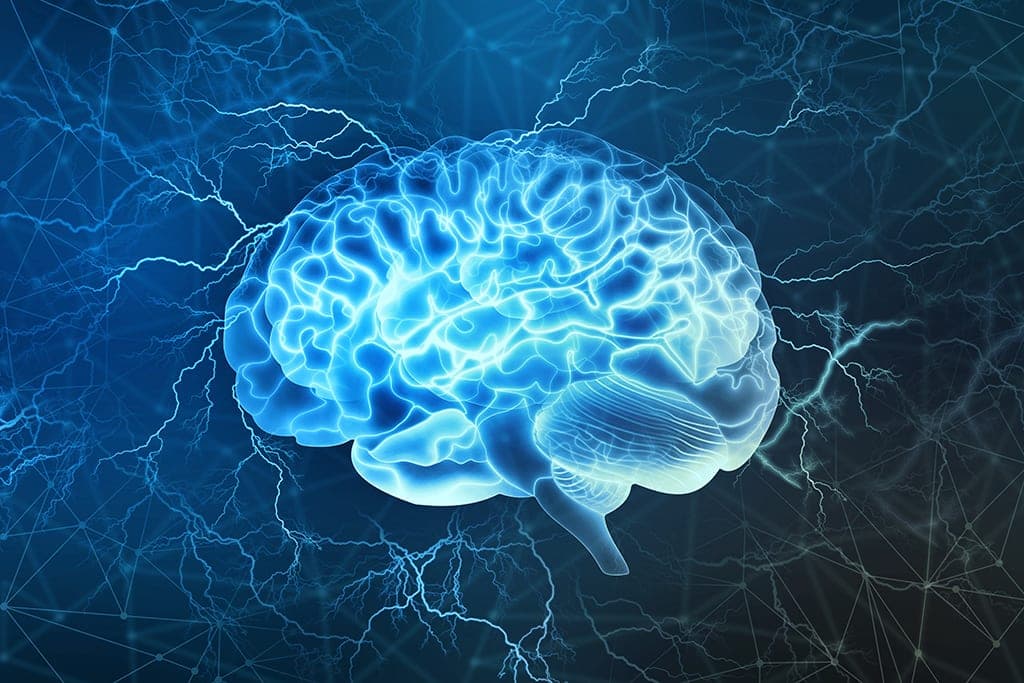
TMS stands for Transcranial Magnetic Stimulation. It is a non-invasive procedure that uses magnetic pulses to stimulate specific regions of the brain involved in mood regulation.
"Non-invasive" means there is no surgery, no anesthesia, and no implants. You sit in a comfortable chair, a device is placed near your head, and targeted magnetic pulses are delivered to the prefrontal cortex, the area of the brain most associated with depression.
TMS is FDA-approved for:
Research also supports its use for anxiety, PTSD, ADHD, and sleep disorders, and we offer TMS for these conditions as well.
A typical TMS session lasts 20 to 40 minutes. During treatment:
A full treatment course is typically 5 sessions per week for 4 to 6 weeks, around 20 to 30 sessions total.
Multiple large clinical trials have shown TMS to be effective for treatment-resistant depression. About 50–60% of patients experience significant improvement, and roughly one-third achieve full remission.
Unlike antidepressants, TMS works locally and doesn't circulate through your bloodstream, so there are no systemic side effects like weight gain, sexual dysfunction, or drowsiness.
Does TMS hurt? Most patients feel a tapping or mild pressure sensation. Scalp discomfort is possible, especially in the first few sessions, and usually fades quickly.
Is it covered by insurance? Many major insurers, including Medicare, Aetna, Cigna, and Blue Cross Blue Shield, cover TMS for treatment-resistant depression. We verify your benefits before your first appointment.
How long do results last? Many patients experience lasting improvement of 12 months or more. If symptoms return, a shorter "maintenance" course can restore results.
If you are in California, Florida, or New York and want to explore whether TMS is right for you, get in touch with our team. We will answer your questions, verify your insurance, and help you take the next step.
Segal Telepsychiatry Network serves patients in California, Florida, and New York. No referral needed. Contact our team about appointment availability.
Get Started Today